How Seasonal Changes Affect Blower Door Air Tightness in PA
Understanding Blower Door Air Tightness
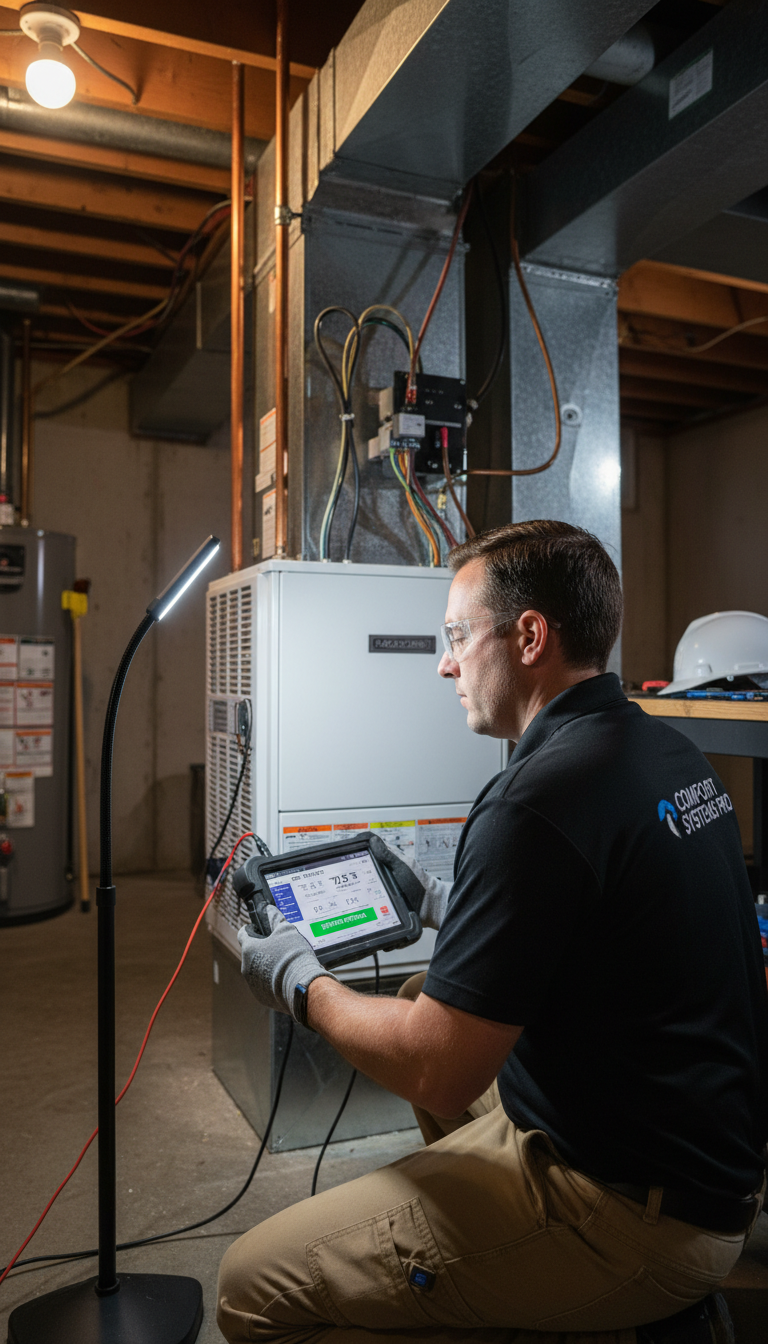
Blower door tests are an essential tool in assessing the air tightness of buildings, particularly in Pennsylvania, where seasonal changes can significantly impact energy efficiency. A blower door test involves using a powerful fan to pull air out of the building, lowering the air pressure inside. The higher outside air pressure then flows in through all unsealed cracks and openings, allowing for a precise measurement of leakage.
Seasonal Variations and Their Impact
As the seasons change, so do the conditions that affect air tightness. In Pennsylvania, the transition from warm, humid summers to cold, dry winters can lead to significant shifts. These variations can impact the materials used in construction, potentially leading to expansion and contraction, which in turn affects how tightly a building is sealed.
Temperature Fluctuations
Temperature changes cause building materials to expand and contract. During the summer, the heat can cause materials like wood and metal to expand, potentially sealing gaps temporarily. Conversely, in winter, these materials contract, possibly widening gaps and increasing air leakage. Understanding these dynamics is crucial for maintaining consistent energy efficiency throughout the year.

Humidity Levels
Humidity also plays a significant role in air tightness. High humidity levels in the summer can lead to moisture accumulation, affecting insulation performance. In contrast, the dry winter air can lead to shrinkage in materials like wood, exacerbating air leaks. Monitoring humidity levels and addressing moisture issues can help maintain optimal air tightness.
Practical Steps to Improve Air Tightness
To counteract the effects of seasonal changes, homeowners can take several steps:
- Regular Inspections: Conduct regular inspections to identify and seal any new leaks that may have developed due to seasonal shifts.
- Use of Weatherstripping: Apply weatherstripping around doors and windows to minimize air leaks.
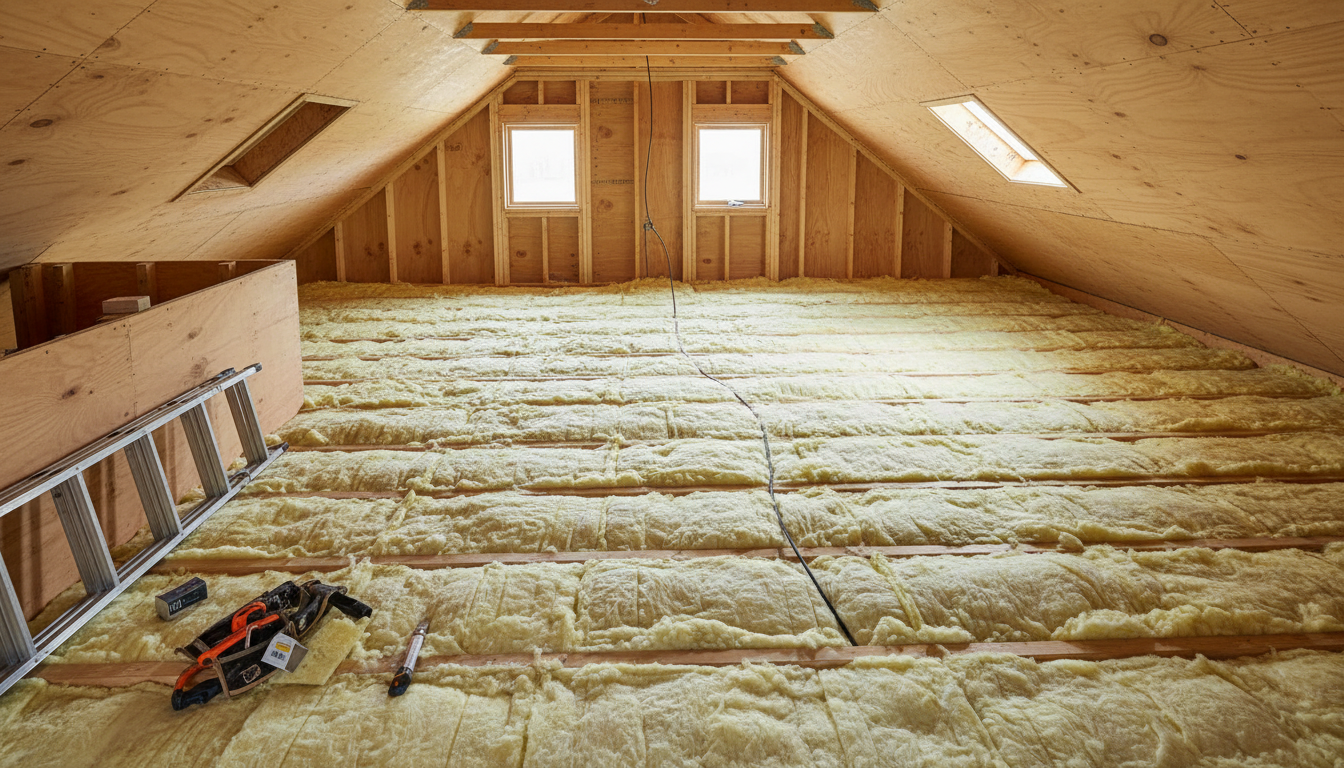
- Upgrade Insulation: Consider upgrading insulation materials to those designed to handle expansion and contraction.
Professional Assessment
Hiring professionals to conduct blower door tests can provide comprehensive insights into the air tightness of your home. These experts can pinpoint areas of concern and recommend targeted solutions, ensuring that your home remains energy-efficient year-round.
Conclusion
In Pennsylvania, understanding how seasonal changes affect blower door air tightness is crucial for maintaining energy efficiency. By staying proactive and addressing potential issues caused by temperature and humidity fluctuations, homeowners can ensure their homes remain comfortable and cost-effective. Regular assessments and timely interventions are key strategies to mitigate the effects of seasonal changes on air tightness.